Picture a morning where school drop-off is a quick loop through your village, your commute is a straight shot to your job, and afternoons end with kids on bikes and neighbors waving from the sidewalk. If you are weighing a move to San Antonio’s Far West Side, you might be wondering how Alamo Ranch really feels day to day. You want a clear view of schools, parks, and the rhythm of daily life before you commit. This guide walks you through what to expect and how to verify the details that matter for your household. Let’s dive in.
Why Alamo Ranch appeals
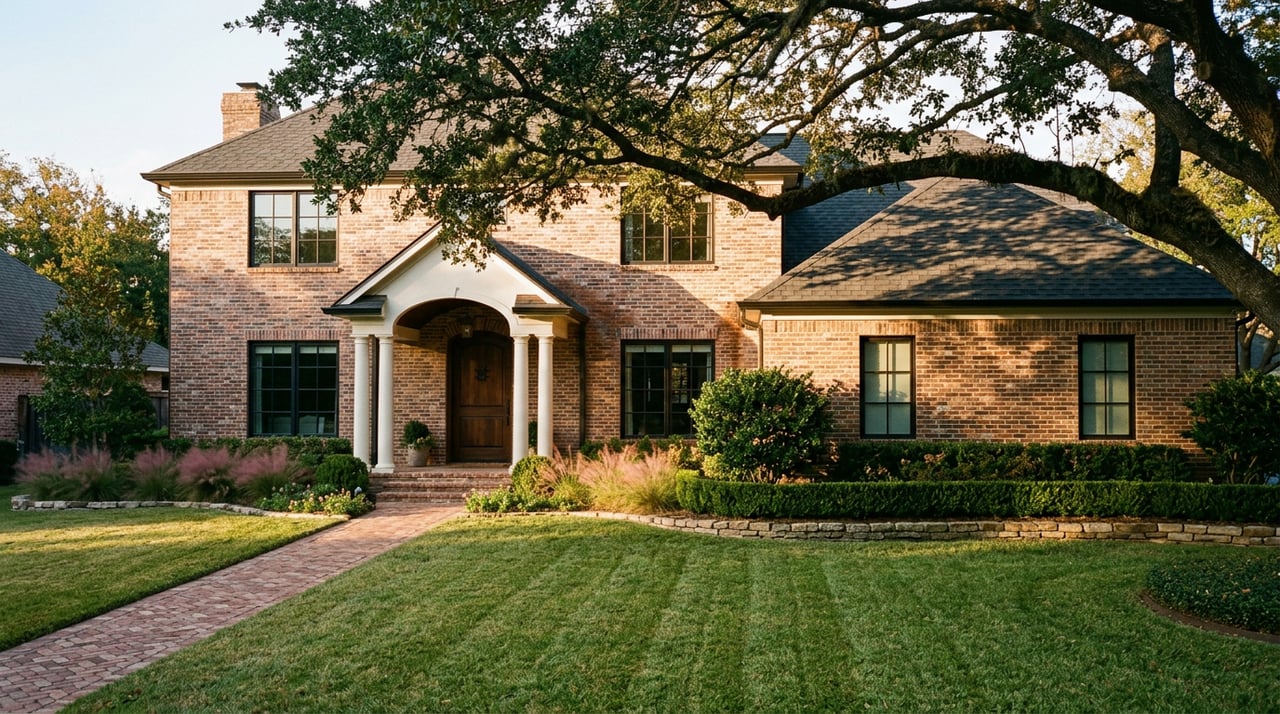
Alamo Ranch is a large, master-planned community on San Antonio’s Far West Side. It brings together multiple villages, community amenities, and a convenience-first location. If you want newer homes, family-friendly features, and neighborhood events, this area often checks those boxes.
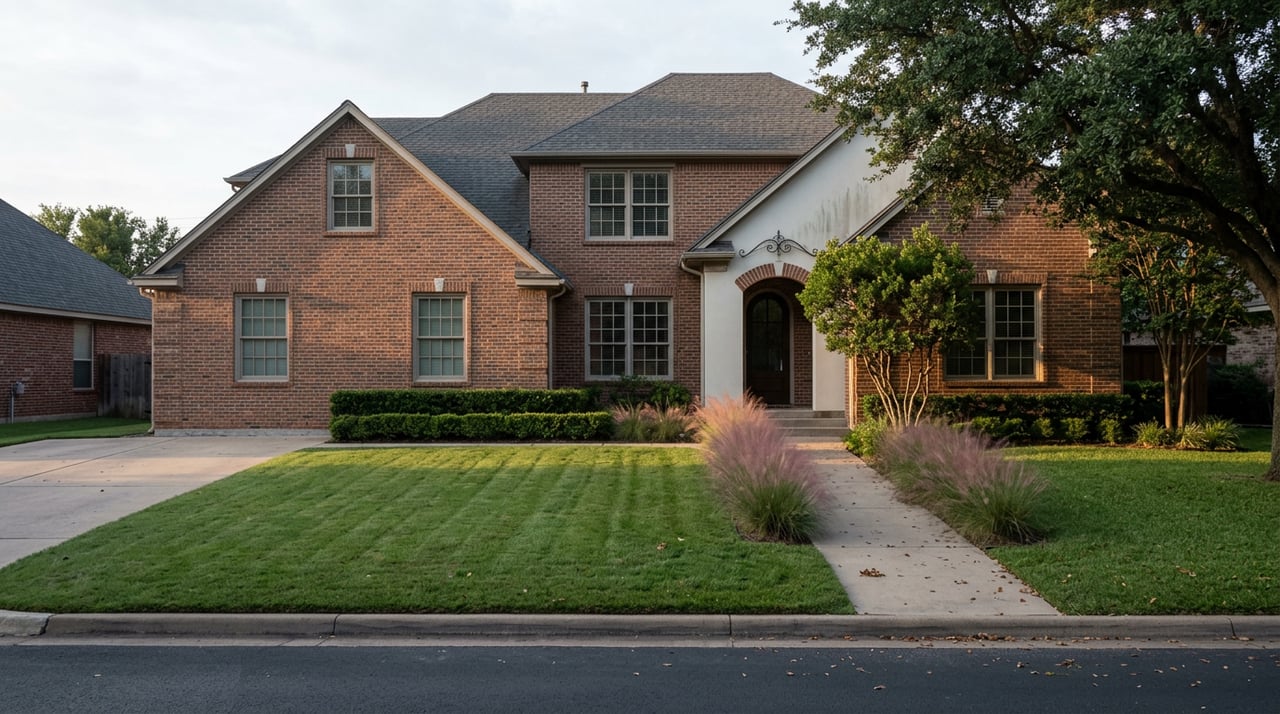
You will find a range of single-family homes, often with three to five bedrooms, and a mix of gated and non-gated sections. Because the community spans several villages, the feel can vary by street. Some parts lean toward quiet cul-de-sacs, others closer to retail and restaurants feel more active. The master-planned design aims to keep daily needs close to home.
Schools at a glance
Families often choose Alamo Ranch for access to nearby public schools and a variety of private and early education options in the broader Far West Side. School assignments can vary by block, so the most important step is to confirm the exact campuses for your address.
How school assignment works
Public school assignments follow attendance boundaries that can change over time. Sections within Alamo Ranch may feed to different elementary, middle, and high schools depending on where you live in the master plan.
Use this quick process to confirm your assignment:
- Look up your potential address in the local public school district boundary tool.
- Confirm the assigned elementary, middle, and high school, then verify bus service and pickup points.
- Ask the enrollment office whether any boundary or program changes are planned for the next year.
Two smart cross-checks:
- Review each assigned campus page for bell schedules, after-school programs, and transportation details.
- If you plan to walk or bike, preview routes for sidewalk continuity and safe crossings.
What to look for in TEA reports
Texas Education Agency campus report cards give a neutral snapshot of academic performance and student outcomes. When you review a school, scan for:
- Overall accountability rating along with any distinctions.
- Enrollment size and student-to-teacher ratios.
- STAAR performance summaries by subject and grade.
- Graduation and college-ready indicators at the high school level.
- Program highlights such as AP, dual credit, CTE pathways, or language offerings.
This helps you compare options using uniform state data. Pair those metrics with a visit to the campus for context about culture, facilities, and leadership.
Private and early education options
If you are considering private, parochial, or Montessori programs, you will find choices within a reasonable drive of Alamo Ranch. The same goes for daycares and preschools, which often cluster near major roads and retail centers. For each option, confirm hours, waitlists, and carline procedures, and ask about after-care availability if your workday runs long.
Parks and green space
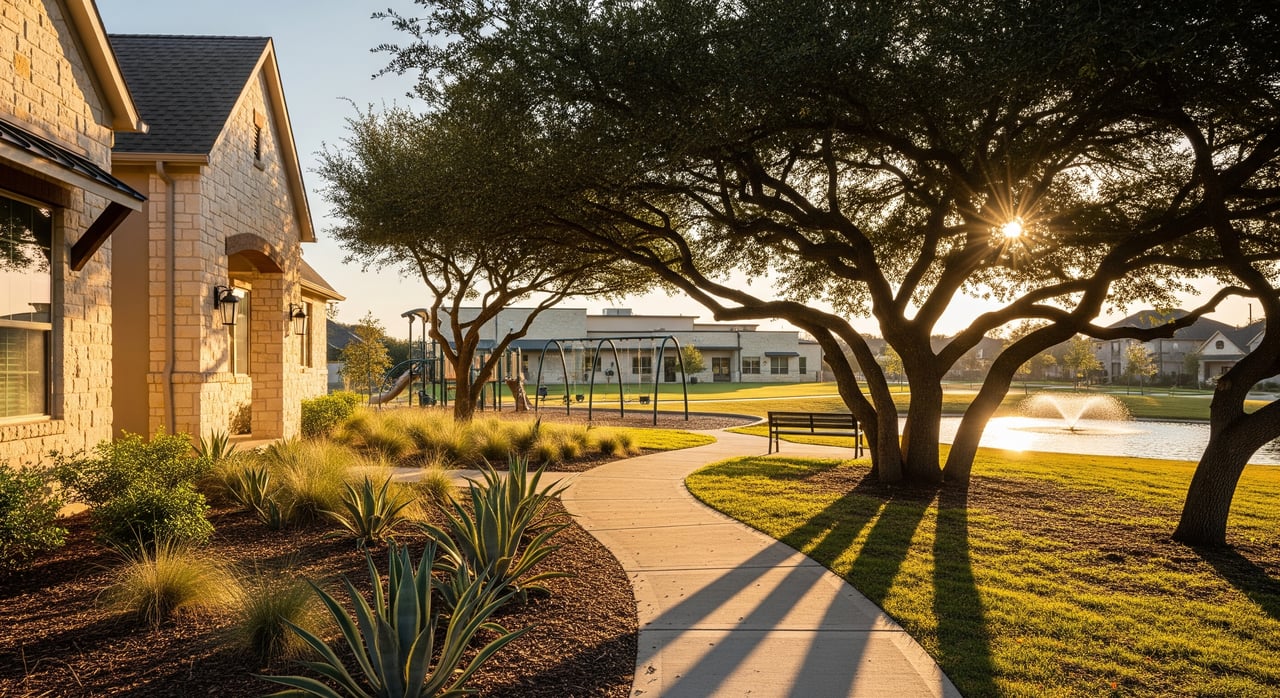
Alamo Ranch is planned around outdoor time, with neighborhood amenities that make it easy to get outside without packing the car.
On-site HOA amenities
Many villages include amenities such as pools, splash areas, playgrounds, and small pocket parks. Some sections connect with greenbelts or short internal trails for walking, jogging, or dog walks. Since amenities can vary by village and HOA, confirm:
- Which pools and playgrounds you can access with your address.
- Hours, guest policies, and any age rules for unaccompanied minors.
- Whether there are trails or sidewalks that connect your street to schools or parks.
Nearby public parks and trails
Beyond HOA spaces, the Far West Side offers city and county parks, natural areas, and trailheads within a short drive. Weekend routines often include playground time in the morning, a late-afternoon walk, or a picnic with neighbors. If you love hiking, look for regional natural areas that offer longer trails and scenic overlooks.
Activities and community life
Community calendars in master-planned neighborhoods often feature holiday events, food-truck nights, and seasonal gatherings. Youth sports, swim teams, and local clubs add to the rhythm. Ask about:
- HOA and neighborhood event schedules.
- Youth sports sign-ups and where practices are held.
- Whether the community hosts lessons, camps, or fitness classes.
Commute and transportation
Daily drive times are a major factor for Far West Side living. Alamo Ranch sits near key regional roads that connect to major job centers around San Antonio.
Major routes
Residents often use Loop 1604 and nearby arterials for commutes to downtown, the medical center, universities, and business districts. Drive-time ranges vary by time of day. Check routes during your actual commute windows to set realistic expectations, and test both primary and backup paths to see how traffic and signals affect your schedule.
Public transit basics
Public transit service on the Far West Side can be limited. If you plan to use a park-and-ride or bus route, confirm stop locations, frequency, and transfer times. For families, also review student bus routes and timing so you can balance carline duties with your own commute.
Remote work readiness
If you work from home, confirm broadband availability for your specific address. Some sections may have access to high-speed fiber or upgraded cable internet, while nearby streets may have different service levels. Check upload speeds if you are on video calls, and ask providers about equipment or line upgrades for stronger home office performance.
Daily conveniences
One of the perks of Alamo Ranch is that errands fit easily into your day. Large shopping centers, grocery stores, and services cluster close to the master plan.
Groceries and essentials
Expect several full-service supermarkets within a short drive, along with national and local options for pharmacy, pet supplies, and big-box buys. Many families plan a bulk shop on weekends and a quick midweek produce run on the way home from school or after practice.
Healthcare and urgent care
You will find medical offices, pediatric clinics, urgent care centers, and dental practices along the area’s main corridors. For hospital care or specialists, plan your route and parking ahead of time, especially if appointments land during rush hours.
Services you will use often
Banks, shipping and postal services, salons, gyms, vets, and dry cleaners are easy to reach from most sections of Alamo Ranch. When touring homes, note which services are along your daily path so you can judge true convenience.
Costs and practical info
Beyond your mortgage, it helps to map out the monthly and annual costs tied to Alamo Ranch living.
HOA, taxes, insurance
- HOA: Fees and amenity access vary by village. Confirm current dues, any special assessments, and rules that matter to your household, such as pool policies or parking.
- Taxes: Property taxes are set by local entities and billed by the county. Ask for the most recent tax bill on any home you consider, then estimate changes based on your purchase price.
- Insurance: Review homeowners coverage, wind and hail considerations, and whether any part of the property lies in a flood zone. If a home is near a drainage area or creek, verify flood maps.
Utilities and broadband
Utility providers can differ from one section to the next. Confirm water, sewer, trash and recycling schedules, and electricity options for your specific address. For internet and TV, verify available providers and speed tiers, and ask about fiber availability if fast uploads are important to your work.
Safety and peace of mind
For an objective view of local trends, review official crime mapping for the past 12 months and compare area statistics with the city average. Walk the neighborhood at the times you care about most, such as early mornings and evenings, and note lighting, pedestrian activity, and traffic patterns near schools.
Pros and cons
Every neighborhood involves tradeoffs. Here is a balanced view to help you decide.
Pros
- Master-planned layout with neighborhood amenities that support an active lifestyle.
- Mix of home sizes and floor plans that suit growing families and relocating professionals.
- Daily convenience with shopping, dining, and services close by.
Cons
- Commute times vary and can stretch during peak hours on major corridors.
- School assignments and HOA rules vary by section, so you must confirm details for your address.
- Internet speeds and utility providers can differ within the community, which impacts remote work.
How to evaluate a specific address
Use this checklist to move from browsing to confident decision.
- Confirm school assignment using the district boundary tool for the exact address. Cross-check bus service and bell times.
- Pull the most recent TEA campus reports for each assigned school and note the metrics that matter to you.
- Ask the HOA or management company about dues, assessments, amenity access, and any rules that affect your lifestyle.
- Check broadband availability and speed tiers for the address. Verify upload speeds and equipment needs for video calls.
- Run commute tests during your actual peak travel times to your most common destinations. Try an alternate route too.
- Review the latest property tax bill for that parcel and estimate based on your offer price. Confirm exemptions you may qualify for.
- Scan crime mapping for the past 12 months, then visit the neighborhood at different times of day for your own sense of fit.
- Walk from the home to the nearest park or playground. Note sidewalks, crossings, and lighting for evening strolls.
Ready to explore Alamo Ranch?
If Alamo Ranch sounds like the right blend of schools, parks, and day-to-day ease, the next step is a focused tour and a verified plan for your address. Our team can line up homes across the villages, confirm school boundaries and HOA details, and map your commute before you write an offer. If you are relocating on a tight timeline, we can streamline everything so you feel confident from day one.
Have questions or want a tailored game plan for your move? Connect with Nichole Eckmann to Schedule Your Personalized Consultation.
FAQs
How do school assignments work in Alamo Ranch?
- Attendance zones can vary by street. Use the district boundary lookup with your exact address, then verify details with the enrollment office and campus websites.
What HOA amenities are available in Alamo Ranch?
- Amenities can include pools, splash areas, playgrounds, and greenbelts, but access varies by village. Confirm your address’s amenity list, hours, and guest policies with the HOA.
How long is the commute from Alamo Ranch to downtown or the medical center?
- Drive times depend on route and time of day. Test your commute during peak hours using the roads you will use most, and have a backup path in case of traffic.
Is public transit a practical option on the Far West Side?
- Transit service is limited in many Far West Side areas. If you plan to ride, confirm stop locations, frequency, transfers, and whether a park-and-ride fits your schedule.
What should I check for remote work readiness at a home in Alamo Ranch?
- Verify available internet providers and speed tiers by address, confirm upload speeds for video calls, and ask about fiber or equipment upgrades for better reliability.
How do I estimate property taxes and insurance costs in Alamo Ranch?
- Review the most recent tax bill for the property, adjust for your expected purchase price, and consult your insurer for quotes based on construction type, location, and coverage needs.
Are there nearby parks and trails beyond HOA amenities?
- Yes, the Far West Side includes city and county parks and regional natural areas within a short drive. Visit at the times you would use them to see crowd levels and trail conditions.