Are you starting residency or a new attending role in San Antonio and wondering how to buy in Alamo Heights without a big down payment? You are not alone. Many physicians face student loans, tight timelines, and complex schedules. This guide explains how physician mortgage programs work, how to compare lenders, and how to match your home choice with your commute in Uptown and Alamo Heights. Let’s dive in.
Physician mortgage basics
A physician mortgage, sometimes called a doctor loan, is a lender-designed program for medical professionals. The goal is to make homeownership easier during training or early practice when cash is tight and employment history is short. Terms vary widely by lender, so it helps to know what to expect before you apply.
Common features you might see:
- Low or no down payment, often 0% to 5% down for eligible buyers.
- No PMI even when you put less than 20% down, because many lenders waive it for these programs.
- Flexible income documentation, such as a signed employment contract, offer letter, or residency verification instead of full tax returns.
- More flexible treatment of student loans in debt-to-income calculations.
- Fixed-rate and ARM options, including some jumbo loan choices.
- Eligibility often includes MD and DO, and may include dentists, podiatrists, optometrists, veterinarians, and pharmacists. Residents, fellows, and incoming attendings with signed contracts are commonly eligible.
You still receive standard consumer protections and disclosures. Some physician loans are kept by the lender as portfolio loans, which is why they can waive PMI or treat student loans differently. Always confirm details in writing.
Pros and cons to weigh
Pros
- Lower upfront cash required, sometimes as little as 0% to 5% down.
- PMI is often waived even with a small down payment.
- Early-career friendly documentation and underwriting.
- Potential for faster approvals when your file is complete.
Cons and caveats
- Rates or fees may be higher than a standard conventional loan. Compare APR, not just the rate.
- Fewer lenders offer these products than standard mortgages.
- Property type limits may apply, especially for condos or multi-unit homes.
- Terms differ by lender. “Physician loan” is a marketing category, not a standardized loan class.
How to compare programs
Choosing the right physician mortgage is about matching total cost, flexibility, and timeline to your goals in Alamo Heights.
Key metrics to compare:
- Effective cost: Look at APR and total closing costs, including origination, points, and any lender credits.
- Up-front cash: Minimum down payment, allowed gift funds, and reserves.
- PMI handling: Is PMI waived, replaced by a fee, or structured temporarily?
- Loan types and limits: Conforming, high-balance, and jumbo options, plus maximum loan amounts and loan-to-value limits.
- Student loan policy: How the lender counts deferred or income-driven payments for DTI.
- Employment proof: Whether a contract or residency letter is enough, and how soon your start date must be.
- Timeline and rate locks: Contract-to-close expectations, appraisal timing, lock length, and float-down options.
- Property eligibility: Rules for condos, PUDs, 2–4 unit homes, manufactured homes, and whether investment properties are allowed.
- Long-term flexibility: Assumability, prepayment penalties, and refinancing scenarios.
- Servicing and reputation: Who services the loan after closing and how the lender handles issues post-closing.
Lender-vetting questions
Use this checklist when you speak with lenders:
- What is the minimum down payment for your physician program on a single-family primary residence in Bexar County?
- Do you waive PMI for down payments under 20%? If not, how is PMI handled and what is the typical monthly cost?
- How do you treat student loans for DTI calculations (deferred loans, income-driven repayment, or percentage of balance)?
- Which medical degrees and training statuses are eligible (resident, fellow, incoming attending, MD/DO/DDS/DVM/PharmD, etc.)?
- What documentation do you accept instead of W-2s or tax returns (offer letter, employment contract, residency verification)?
- What mortgage products do you offer (fixed, ARM, conforming, high-balance, jumbo)? What are current sample APRs?
- What properties are ineligible (condos, co-ops, multi-unit, manufactured homes)?
- What is your contract-to-close timeline for a clean file? Do you offer expedited appraisal or lender credit for faster closing?
- Do you impose a lock fee, and do you offer a float-down option?
- Who services the loan after closing? Are there prepayment penalties?
- Do you offer a bridge loan, temporary interest-only payments, or other options for buyers who need to sell an existing home?
- Do you have local experience in the San Antonio/Alamo Heights market?
Alamo Heights housing and commute
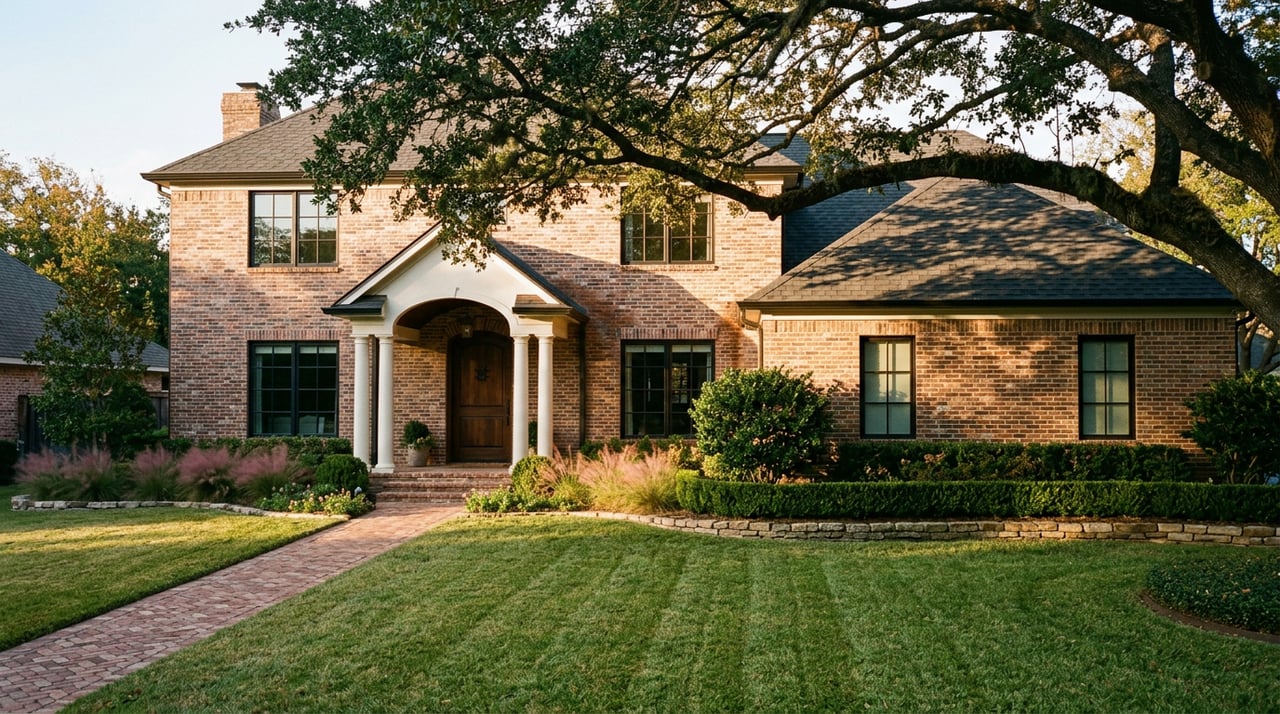
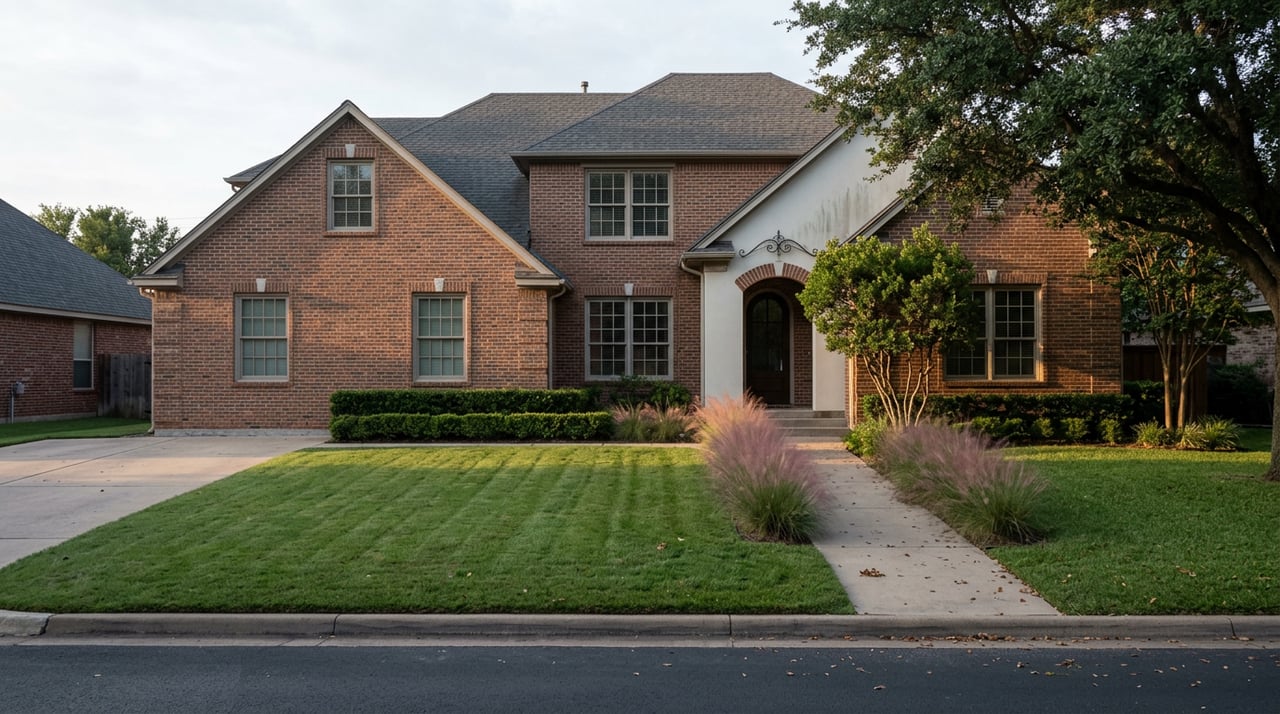
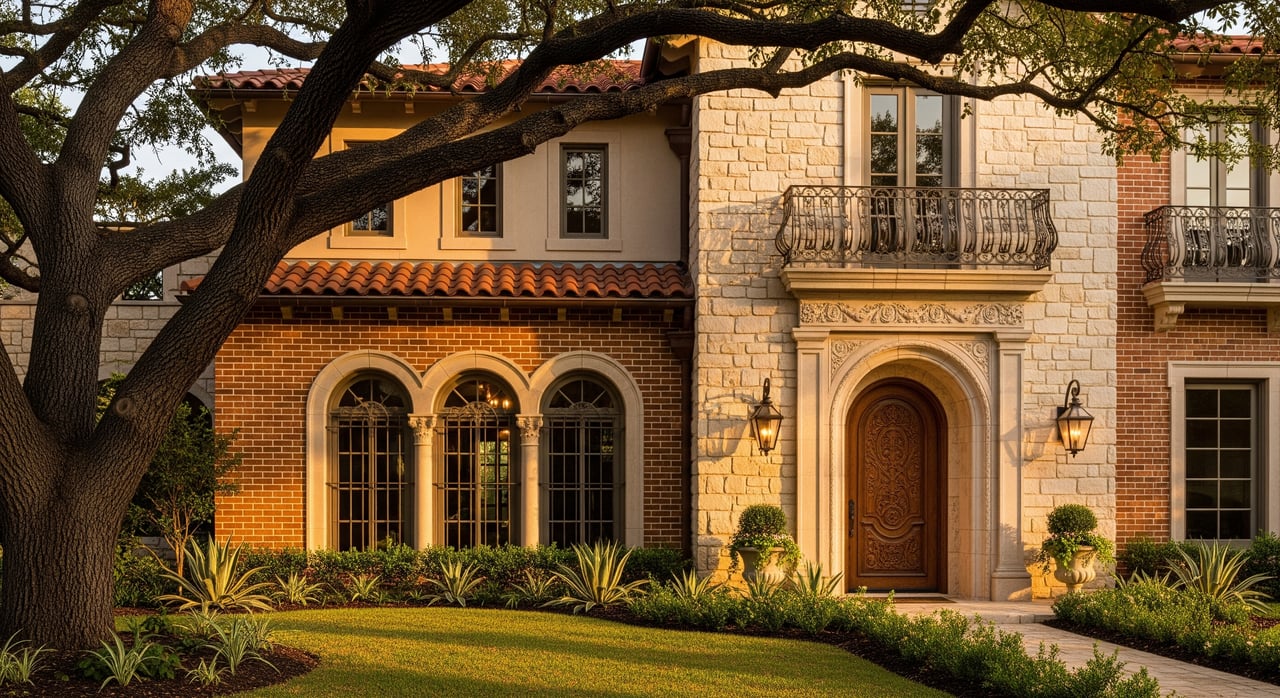
Alamo Heights is an established municipality surrounded by San Antonio in Bexar County. You will find mature, tree-lined streets and a mix of historic bungalows, mid-century homes, and newer custom builds. The area has fewer condos and townhomes compared with central San Antonio, so inventory can feel tighter for attached housing.
If your work centers around Uptown and the nearby medical corridors, plan your commute before you choose a block. Your exact hospital campus matters. Shift timing matters too, since rush-hour traffic affects day shifts more than nights. Major employers in the area include UT Health San Antonio and University Hospital, the Christus Santa Rosa system, Methodist and Baptist hospitals, the regional VA, and specialty centers. Verify your specific campus and drive the route at your actual shift hours to gauge real travel time.
For commute planning, try these steps:
- Drive your route during typical shift start and end times, such as 6–9 a.m. and 4–7 p.m.
- Check access to the arterials and freeways you will use, and confirm staff parking or shuttle options at your campus.
- If you plan to use public transit, confirm coverage and timing for your shifts.
Property features for on-call life
Homes that support physician schedules often include:
- Quiet streets or solid soundproofing for daytime sleep after night shifts.
- Secure garage parking and good exterior lighting.
- A dedicated office or study zone for charting and board prep, plus reliable high-speed internet.
- A plan for backup lodging near the hospital for on-call nights or transition weeks, if needed.
Timeline for a spring move
Working backward from your ideal closing date can keep stress low and your options open.
90+ days before closing
- Start lender research and request pre-approvals from two or three physician-loan lenders to compare, plus one conventional lender.
- Gather your signed employment contract or residency verification, bank statements, and student loan documentation.
60–90 days
- Begin active house hunting with a local agent who knows Alamo Heights and Uptown.
- Narrow neighborhoods that fit your commute and lifestyle priorities.
30–45 days (typical contract-to-close window)
- Once under contract, submit your full loan application and all documents immediately.
- Schedule appraisal and inspection, and order title and closing services.
- Lock your rate once you are comfortable with APR and timing. Ask about a float-down option.
0–14 days before closing
- Complete your final walk-through and confirm wiring instructions.
- Confirm who will service your loan after closing.
- Book movers and any temporary housing if you have a gap.
Notes: Some physician loans advertise faster closings. Plan conservatively, since appraisal, title, or municipal items can add time.
Quick checklist
- Submit your job contract or residency/fellowship letter to lenders right away.
- Get written pre-approvals from at least two physician-loan lenders and one conventional lender.
- Request a clear fee sheet with APR, PMI handling, and all costs.
- Drive your commute routes during real shift hours before you make an offer.
- Confirm property eligibility rules for condos, townhomes, or multi-unit homes early.
- Keep copies of your student loan details and how each lender will calculate your DTI.
- Document any seller or buyer credits and confirm they are allowed under your loan program.
Smart budgeting and tradeoffs
Physician loans often exchange lower down payments and no PMI for a slightly higher rate or fee. The best way to compare is to estimate the total cost over the time you expect to keep the loan. If you plan to refinance or sell in a few years, a program with a higher rate but lower upfront cash might still come out ahead.
A few tips as you budget:
- Focus on APR and total cash to close, not just the headline rate.
- Ask about lock length, any lock fees, and whether a float-down is available if rates drop before closing.
- Clarify whether your loan is a portfolio product or will be sold, and who services it after closing.
- Confirm there is no prepayment penalty and understand your refinance options.
Next steps in Alamo Heights
If Alamo Heights is calling your name, start with pre-approvals and a commute test drive. Then align your search with property types your lender will finance and features that support your call schedule. A local, concierge-minded team can coordinate showings, inspections, and closing steps around your rotation.
If you are planning a move to Uptown or Alamo Heights, schedule a personalized consult with Nichole Eckmann. You will get a calm, well-coordinated plan that respects your time, explains your options, and keeps your closing on track.
FAQs
What is a physician mortgage in Texas?
- A physician mortgage is a lender-created program for medical professionals that may allow low or no down payment, no PMI, flexible student loan treatment, and contract-based income verification.
How do doctor loans handle PMI in Alamo Heights?
- Many physician programs waive PMI even with less than 20% down, but verify whether there is a higher rate or fee that replaces PMI and compare APRs.
Can residents or incoming attendings buy before starting?
- Many lenders accept a signed employment contract or residency letter as income proof and allow closings before the first paycheck, subject to their policies.
Are condos and townhomes eligible in Alamo Heights?
- Some lenders restrict certain property types, so confirm condo or townhome eligibility and any project approval requirements early.
What timeline should I expect from contract to close?
- Many files close in 30–45 days, though some physician lenders advertise faster closings if documents are complete and appraisal and title stay on schedule.