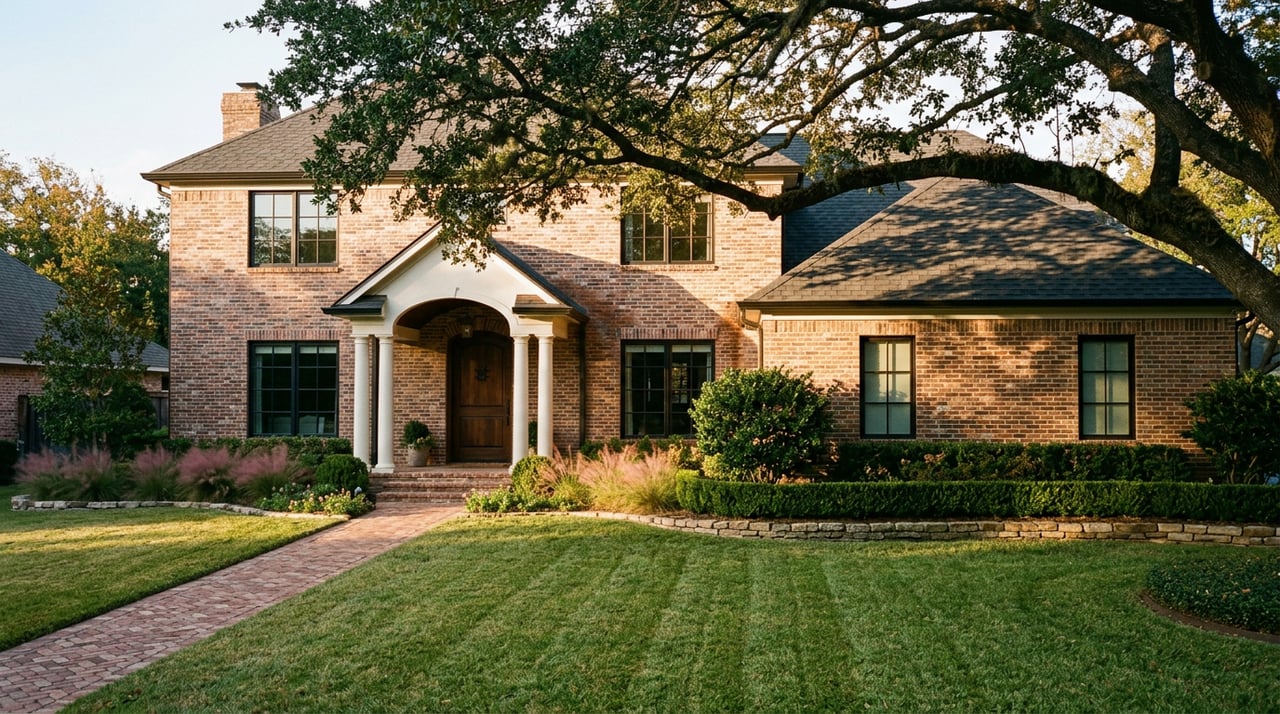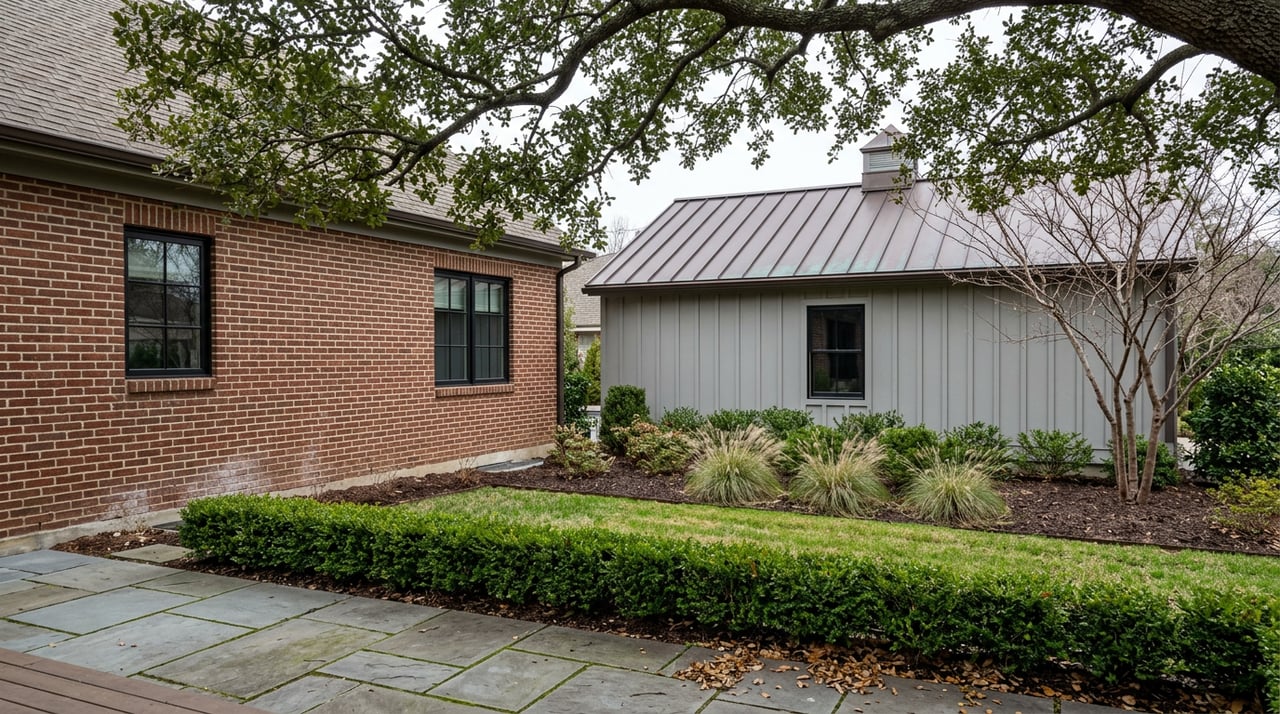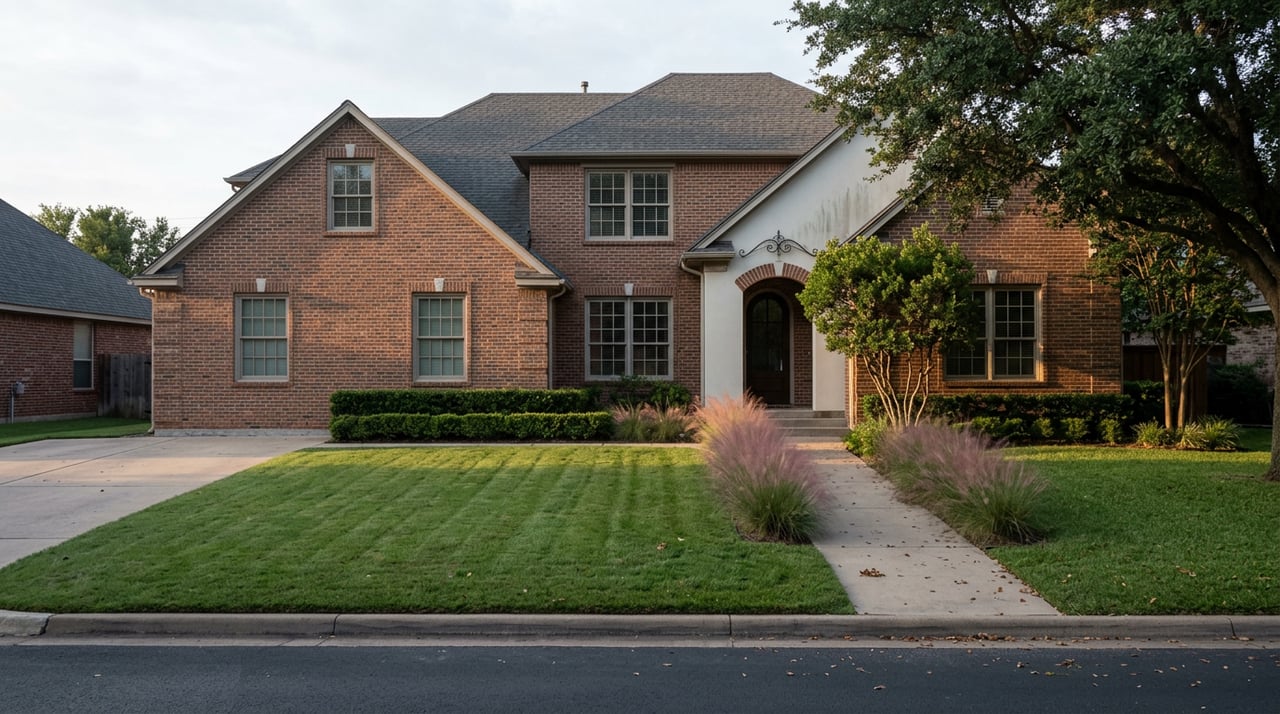
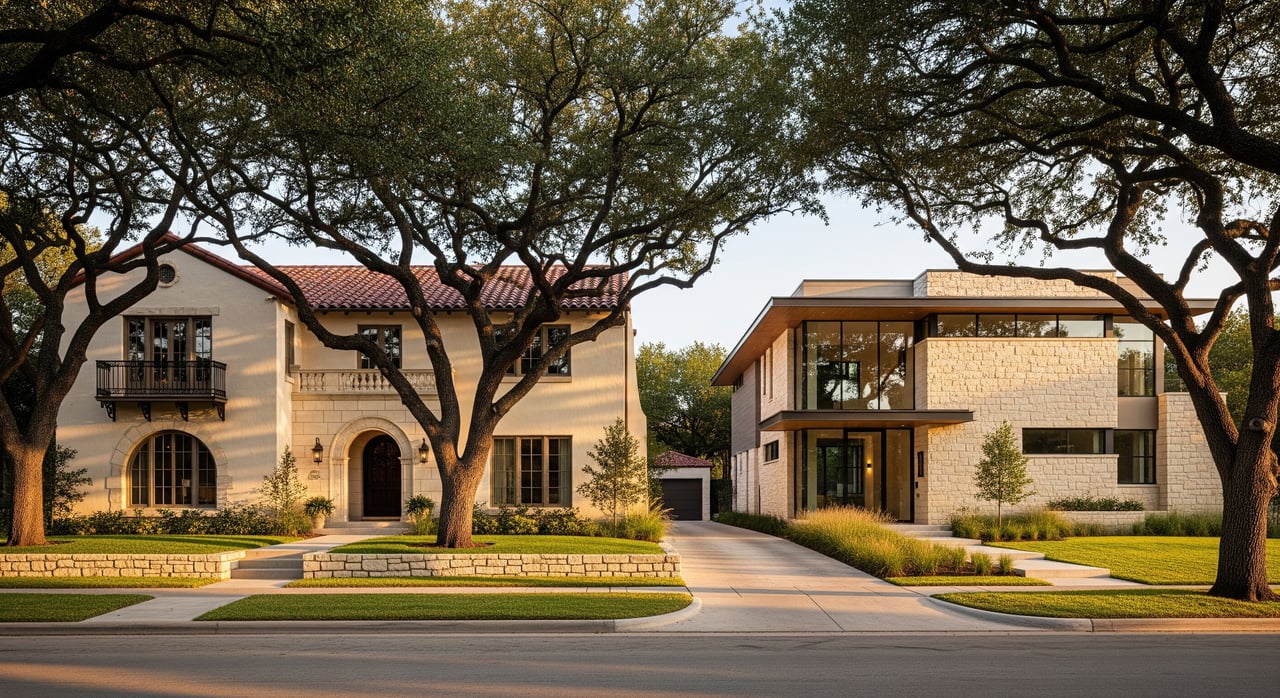
Touring homes in Alamo Heights and torn between a 1920s Tudor and a sleek new build? You are not alone. Many move‑up buyers and relocating professionals weigh character against convenience, and list price against long‑term costs. In this guide, you will learn how historic and modern homes in 78209 compare on maintenance, energy use, inspections, permits, financing, and resale. Let’s dive in.
Alamo Heights at a glance
Alamo Heights is an inner‑suburban enclave just north of downtown San Antonio with mature trees, mid‑ to large‑size lots, and a mix of early 20th‑century architecture and newer infill. Proximity to central business districts, medical centers, and cultural amenities draws many professionals and families.
The area includes a range of homes from Craftsman, Tudor Revival, and Spanish Colonial Revival to mid‑century ranches and contemporary new builds. The Alamo Heights Independent School District is a common priority for buyers. The City of Alamo Heights also operates a Historic Preservation program that can affect exterior changes to designated properties. Compared with broader San Antonio, the neighborhood typically commands premium pricing because of location, schools, and lot character.
Historic homes: what to expect
Core features
Historic homes in Alamo Heights often include solid masonry construction, plaster walls, original hardwood floors, and period millwork. Systems may be older, such as smaller‑capacity HVAC, 2‑ or 3‑wire electrical, and clay or cast‑iron plumbing in the oldest homes. Many have single‑pane wood windows and minimal attic insulation.
Benefits
- Distinctive character and curb appeal from millwork, tile, and divided‑lite windows.
- Mature streetscapes and consistent setbacks that support a strong sense of place.
- Potential for higher price per square foot when historic features are preserved and modern systems are updated in a sympathetic way.
Constraints and risks
- Higher maintenance needs for original materials like plaster, masonry pointing, and historic windows.
- Likely inspection triggers such as aging plumbing, outdated wiring, past water intrusion, or underperforming HVAC.
- Less efficient energy performance that can increase utility costs.
- Possible exterior renovation limits in designated areas, which can extend timelines and raise costs.
- Insurance and financing can be more complex if systems are outdated or layouts are non‑conforming.
Rules and incentives
- The City’s Historic Preservation program may require design review or certificates of appropriateness for significant exterior work in designated areas.
- Federal historic rehabilitation tax credits generally do not apply to owner‑occupied homes. Limited state or local incentives may exist, and program specifics vary.
- Building codes and permits still apply to structural and safety upgrades, with potential alternate compliance paths for historic work depending on local coordination.
Modern homes: what to expect
Core features
Modern new builds and substantial renovations typically offer high‑efficiency HVAC, 200‑amp electrical service, modern plumbing, updated insulation, and high‑performance windows. You will often see open floor plans, larger kitchens, generous closets, updated lighting, and integrated smart tech.
Benefits
- Lower immediate maintenance since systems and materials are new.
- Better energy performance that improves comfort and reduces utility costs.
- Turnkey appeal for buyers who value move‑in‑ready living and open layouts.
- Compliance with current codes that support safety and accessibility.
Tradeoffs
- Less original character compared to early 20th‑century homes.
- New builds may face scrutiny if scale or massing differs from established streetscapes.
- In a market that values historic fabric, some modern homes may not achieve the same per‑square‑foot premium as well‑preserved historic properties.
- Construction and custom finishes can introduce permitting and timeline risk.
Cost of ownership in 78209
Total cost of ownership goes beyond the purchase price. You should account for near‑term capital repairs, ongoing maintenance, utilities, insurance, property taxes, and the risk of deferring issues.
- Historic homes can sometimes trade at a lower price per square foot, but they often carry higher near‑term renovation risk.
- Turnkey modern homes tend to concentrate costs upfront, with fewer near‑term surprises.
Budget for potential items like electrical or HVAC upgrades, foundation work, and restoration of historic materials.
Inspection priorities
Commission inspectors who are experienced with older Texas homes and provide scoped estimates. Focus on:
- Structural: foundation settlement, roof structure, and sill plates.
- Envelope: roofing, flashing, gutters, and masonry or stucco condition.
- Mechanical: HVAC age and capacity, electrical service amperage and wiring type, and plumbing material.
- Environmental: possible asbestos or lead paint in older homes.
- Pests: wood‑destroying insect inspection is essential in the region.
- Energy and comfort: window condition, insulation levels, and ductwork.
- Site: drainage patterns, mature tree roots near the foundation, retaining walls.
Financing and insurance
- Loan options: renovation loans like FHA 203(k) and Fannie Mae HomeStyle can combine purchase and rehab. Conventional financing suits turnkey modern homes, and jumbo loans may apply in higher‑value segments.
- Appraisals: document system upgrades and improvements since non‑functional layouts may complicate valuation.
- Insurance: older systems or materials can increase premiums or require mitigation, such as electrical updates or re‑roofing. Verify flood and wind exposures as part of due diligence.
Permits and timelines
- Exterior work on designated historic properties may require design review, while interior work follows standard permits.
- Additions or demolitions can trigger neighborhood review or special hearings.
- Preserving historic fabric usually takes longer. Build in time for permitting and neighbor‑notice periods.
Decision checklist
Your best fit depends on priorities, budget, and timeline.
- Primary driver: architectural character and neighborhood fabric vs turnkey convenience and lower short‑term maintenance.
- Time horizon: long‑term owners may value historic details; near‑term sellers may prefer turnkey marketability.
- Budget flexibility: historic homes call for contingency funds; modern homes concentrate costs upfront.
- School and commute: AHISD and proximity to downtown are frequent priorities for 78209 buyers.
- Regulatory tolerance: verify any historic designation and likely approvals before planning major exterior changes.
Historic home walkthrough
- Roof and attic access and signs of past water intrusion.
- Plaster vs drywall and window sash condition.
- Electrical service type and panel details.
- Plumbing material, chimney condition, and any basement or crawlspace concerns.
- Preservation designation status and related exterior limits.
Modern home walkthrough
- Warranties on roof, systems, and appliances.
- Permit records for renovations and code‑compliance documentation.
- Insulation levels, window ratings, and HVAC efficiency.
- Builder reputation and subcontractor references when available.
Shared checks
- Lot drainage and grading.
- Termite inspection.
- Sewer connection type and condition.
- Drive time to work and schools.
- Neighborhood covenants or HOA, if present.
Resale in Alamo Heights
Buyer interest in 78209 often comes from families prioritizing AHISD, professionals seeking proximity to downtown and hospitals, buyers who prefer low maintenance, and those who value historic character.
- Historic homes: Highlight original materials, architectural provenance, and recent mechanical upgrades. Quality photos of period details help.
- Modern homes: Emphasize turnkey condition, energy‑efficient systems, open‑plan living, and accessibility.
In many cases, a renovated historic home that retains character while upgrading systems performs well on resale velocity and price per square foot.
Next steps
If you are weighing a 1920s gem against a new build, start by lining up lender guidance, insurance pre‑qualification, and an inspector experienced with older homes. Confirm any preservation reviews early and get cost estimates for the work you plan to do.
When you are ready, connect with a local advisor who knows 78209 and can coordinate the right lenders, inspectors, and contractors. For a concierge experience tailored to busy professionals and families, reach out to Nichole Eckmann to Schedule Your Personalized Consultation.
FAQs
Are historic homes in Alamo Heights more expensive to insure?
- They can be, especially if roofs, wiring, or plumbing are outdated, since some insurers require upgrades or charge higher premiums before issuing standard coverage.
Can I modernize systems in a historic home without losing value?
- Yes. Many projects hide modern systems and use historically sympathetic materials, and early coordination with preservation officials helps avoid surprises.
Are tear‑downs more profitable than renovations in 78209?
- It depends on land value, buyer preferences, and street context. In areas that prize historic character, a well‑preserved home may outperform a replacement.
What loans help with remodeling a home in Alamo Heights?
- Renovation products like FHA 203(k) and Fannie Mae HomeStyle, as well as local construction or renovation loans, can finance both purchase and upgrades.
Do modern homes sell faster than historic homes in Alamo Heights?
- Market response varies by buyer segment, but turnkey modern homes often attract buyers seeking low maintenance, while updated historic homes can command strong interest and pricing.