Thinking about buying in Alamo Ranch and not sure where to start? You are not alone. This Far West Side community is popular for newer homes, neighborhood amenities, and access to Loop 1604, which means the market can move quickly in the right price bands. In this guide, you will learn how inventory works here, what price tiers typically buy, and how days on market can shape your offer strategy. Let’s dive in.
How the Alamo Ranch market works
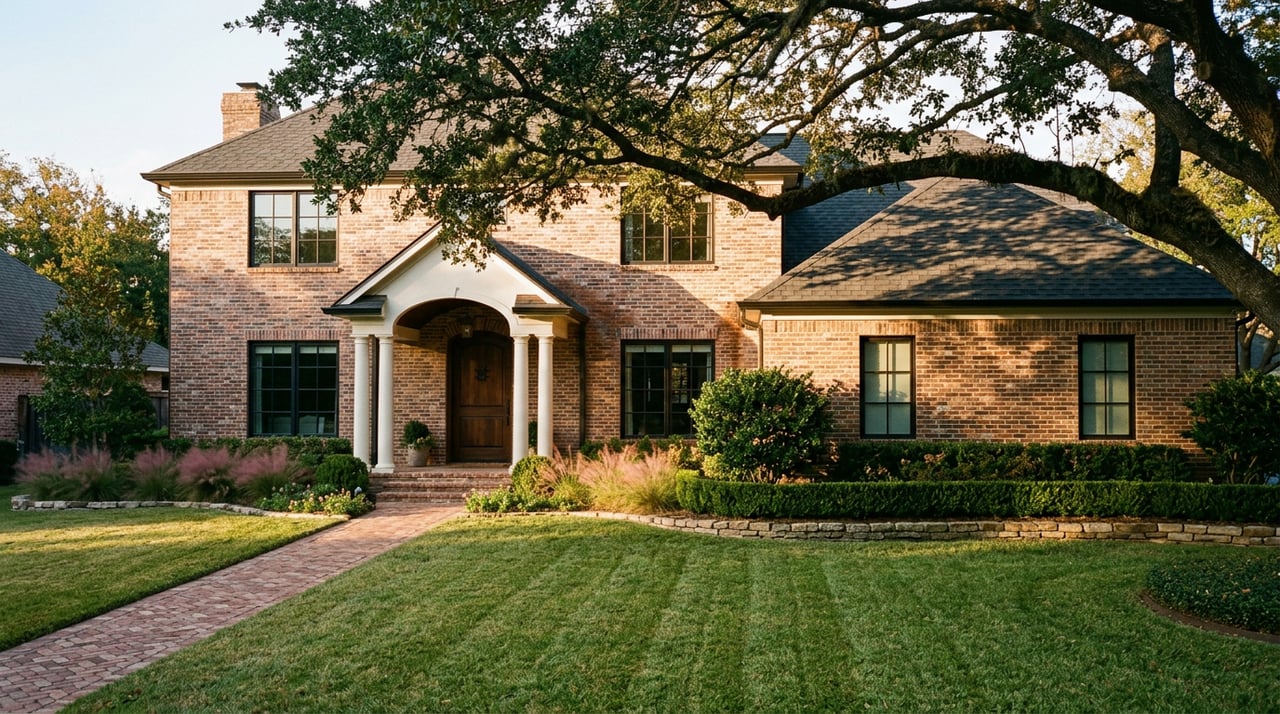
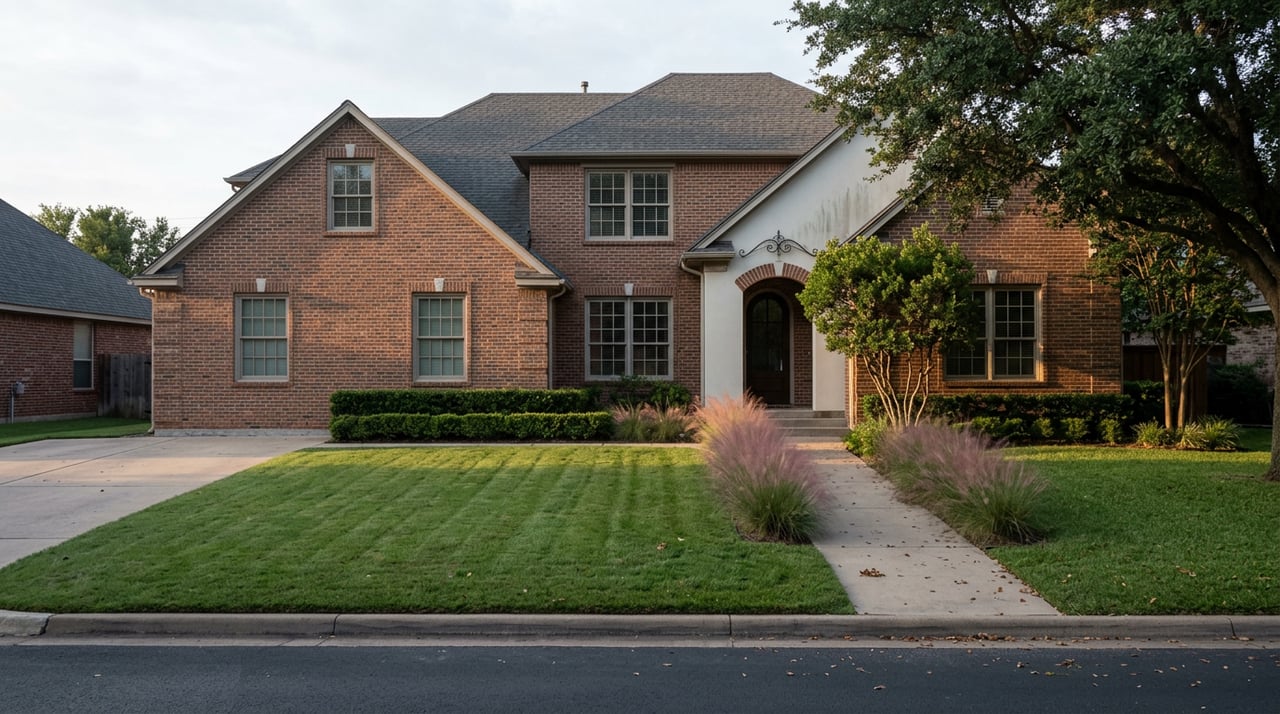
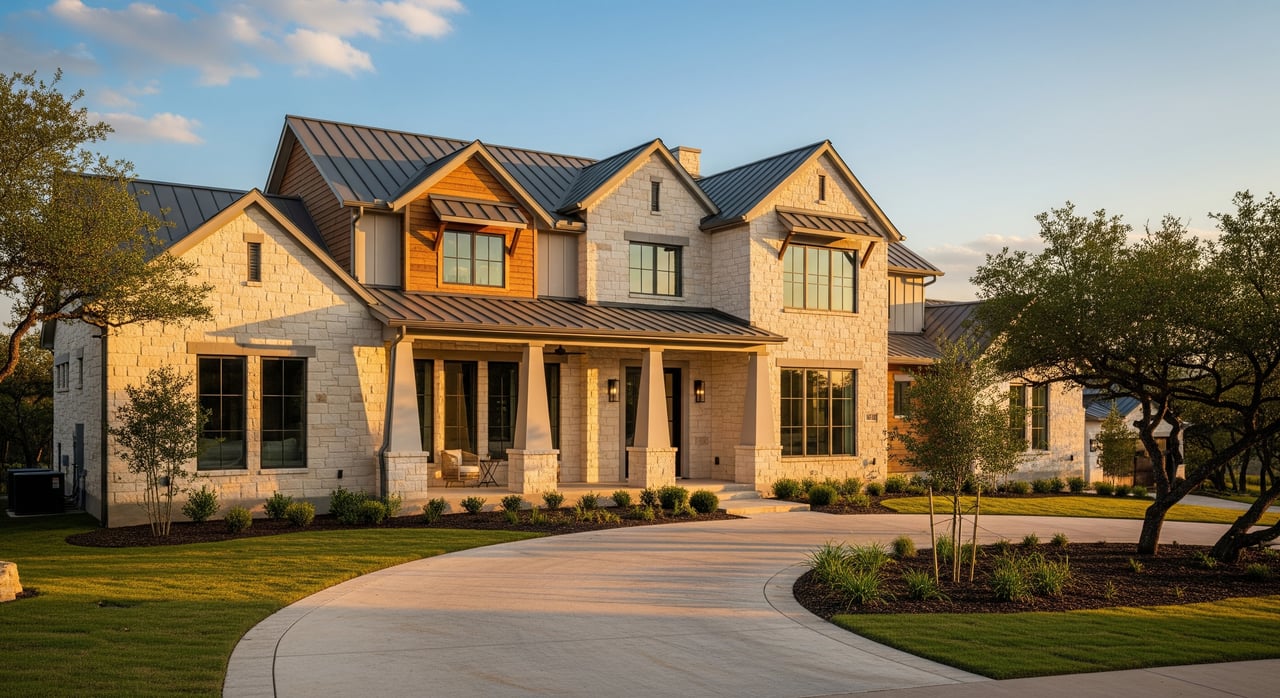
Alamo Ranch is a large master-planned area with a mix of new builds and resales. You will see one- and two-story single-family homes across several sub-communities, plus a smaller share of townhomes. Because builders have been active over the last decade, you will notice both newer construction options and earlier resales on modest lots.
Demand here is steady thanks to relative affordability in San Antonio, neighborhood amenities, and proximity to major corridors. That said, higher mortgage rates in recent years have made buyers more price sensitive and stretched timelines compared with the 2021 peak. Your goal is to match your budget with the right micro-market and timing.
Inventory and months of supply
Inventory is the number of homes for sale at any given time. The most useful summary of market balance is months of supply. It is calculated as active listings divided by the average number of homes sold per month. Lower months of supply means tighter competition. Higher months of supply means more leverage for you.
In Alamo Ranch, inventory often comes in two tiers:
- Entry to mid-price homes on smaller lots with steady turnover.
- Upper-tier and larger-lot homes that can take longer to find the right buyer.
Seasonality also matters. Spring and early summer usually bring more listings and more buyers, while late fall and winter tend to slow down. If you are flexible on timing, you can use these swings to your advantage.
Price ranges and what you get
Instead of fixed price tags that can go stale, use bands based on recent sales percentiles. A practical method is to split the past 180 days of Alamo Ranch closings into 25th, 50th, and 75th percentiles. Then match your expectations to what typically lists and sells in each tier.
Entry-level buyers
- What to expect: smaller single-family homes or townhomes, earlier resales, and compact lots. Interiors may have basic finishes and fewer recent updates.
- What to watch: price per square foot relative to lot size and year built, plus median days on market for this band.
Move-up buyers
- What to expect: 3 to 4 bedrooms, larger yards, more recent builds or updated resales. Competition can be firmer if months of supply is low.
- What to watch: neighborhood amenities and HOA costs, plus the spread between list and sold price trends.
Upper-tier buyers
- What to expect: larger footprints, premium finishes, and sub-communities marketed as estate or executive sections. Larger lots or corner locations can command premiums.
- What to watch: longer days on market, appraisal sensitivity, and condition-driven outliers.
Tip: price per square foot is helpful for quick comparisons, but it can be misleading without context. Always compare PPsqft alongside lot size, year built, and condition.
New construction vs resale in Alamo Ranch
New construction brings choice and convenience, while resales can offer value and established landscaping. Here is how to compare them:
Pricing and incentives
- Builders often list at a premium for size and features, then use incentives like closing cost credits or rate buydowns to compete. Those incentives can narrow the gap with resales, especially in entry to mid ranges.
Timing
- Quick move-in homes can close on a typical resale timeline. Dirt builds require more time and patience. Confirm build stage and estimated completion.
Inspections and warranties
- New builds include builder warranties. Still schedule inspections at critical stages and final walkthrough. For resales, plan for negotiated repairs or a seller credit.
Negotiation posture
- If months of supply is higher in a given segment, you may gain leverage on price or concessions. If it is tight, focus on clean terms and speed.
Days on market and timing
Days on market, or DOM, tells you how quickly homes go under contract. Median DOM for recent solds is the best measure. Compare two things to guide your offer:
- DOM for sold homes in the last 90 to 180 days by price band.
- DOM for current active listings, which shows how long today’s inventory has been sitting.
Short DOM suggests strong demand and the potential for multiple offers, with the most affordable bands tightening first in peak seasons. Longer DOM can signal oversupply or price misalignment. Watch for relisted properties and use cumulative DOM if available, since relists can reset the counter.
Demand drivers that shape value
School assignments
- Different pockets of Alamo Ranch may map to different campuses. Assignment can influence demand. Verify the exact school zone for each property using district boundary tools.
Commute and road access
- Proximity to Loop 1604 and the I-10 and US-90 corridors matters for many buyers who work across northwest San Antonio or near military installations.
Amenities and HOAs
- Pools, parks, and nearby retail are draws. Review HOA dues, deed restrictions, and any special assessments before you offer.
Lot size and yard use
- In suburban areas, usable yard space and larger lots can command premiums. Compare total lot size and layout, not just the number.
New-build pipeline
- When builders are active, you will see more options in certain product types and sharper competition on pricing and incentives.
Smart checks before you write an offer
Use this quick checklist to protect your budget and timeline:
- Confirm the exact school assignment for the address using district maps.
- Review property taxes through Bexar County Appraisal District and check recent tax history for the parcel.
- Read HOA documents for dues, rental rules, architectural controls, and any pending or recent assessments.
- Check flood status using FEMA and City of San Antonio GIS maps. Even higher areas can have pocket floodplains.
- For new builds, verify the builder’s warranty coverage, lot premium disclosures, and realistic completion dates.
- Ask for recent comparable sales, median DOM, and months of supply for your target sub-community and price band. Make sure those figures are date stamped.
How we build your price band strategy
Here is the data plan Nichole Eckmann Property Group uses to set a winning strategy:
- Pull an Alamo Ranch MLS snapshot for actives, pendings, and solds in the last 90 to 365 days.
- Compute months of supply and median DOM, split by price band and by new construction vs resale.
- Map 25th, 50th, and 75th percentile sold prices to align your budget with realistic options.
- Compare median price per square foot alongside lot size and year built for a true apples-to-apples read.
- If the sample size is small in a sub-community, combine it with similar sections to avoid noisy data.
We date stamp everything so you can see what changed if you decide to time your purchase with seasonal shifts or rate moves.
Negotiation and terms that work here
You gain advantage by matching your terms to the segment’s supply and DOM.
- In tighter entry-level bands, focus on clean offers: strong pre-approval, reasonable option periods, and clear repair priorities.
- In slower upper-tier segments, price alignment and thoughtful concessions can get results. Consider seller credits toward closing costs or rate buydowns if the appraisal supports value.
- For new builds, compare builder incentives against independent lender options to find the best total cost.
What to expect by season
Spring to early summer
- More listings and more buyers. Be ready to tour quickly and write a competitive offer in popular sub-communities.
Late summer to winter
- Activity tends to slow. You may see more negotiating room, especially on homes with higher DOM or ones that returned to market.
Work with a team that knows Alamo Ranch
You deserve a calm, well-coordinated purchase. Nichole Eckmann Property Group pairs hyperlocal market knowledge with concierge service and reliable transaction coordination. If you are relocating for a medical role or a military assignment, our relocation expertise helps you align schools, commute, and timing with minimal stress.
Ready for a custom Alamo Ranch market brief and on-the-ground plan? Book your strategy session with Nichole Eckmann.
FAQs
What should I budget to buy in Alamo Ranch?
- Ask your agent for a date-stamped MLS report showing the 25th, 50th, and 75th percentile sold prices over the past 180 days, then align your budget with the band that fits your goals.
How long does it take to get under contract in Alamo Ranch?
- Use median days on market for sold homes in the last 90 to 180 days for your price band, then compare to current active DOM to gauge how fast you need to move.
Is new construction or a resale the better value in Alamo Ranch?
- Compare the median list or sold price for each, then factor in builder incentives, warranty coverage, timeline to close, and any resale updates or repairs to find your true total cost.
How do interest rates affect my offer strategy in Alamo Ranch?
- Rising rates usually lengthen DOM and can open negotiation room, while easing rates often shorten DOM and increase competition, so match your terms to current months of supply.
What extra costs should I expect besides the purchase price?
- Budget for property taxes from BCAD, HOA dues and any assessments, lender and title fees, inspections, insurance, and flood insurance if a map review shows it is required.
How can I verify school assignments for a specific Alamo Ranch address?
- Use the school district’s boundary map tool for the exact property address and confirm assignments again before closing because boundaries can change.
Are there flood risks in parts of Alamo Ranch?
- Most homes sit outside regulated floodplains, but pockets can exist, so check FEMA and City GIS maps for every address and discuss insurance implications with your agent and lender.